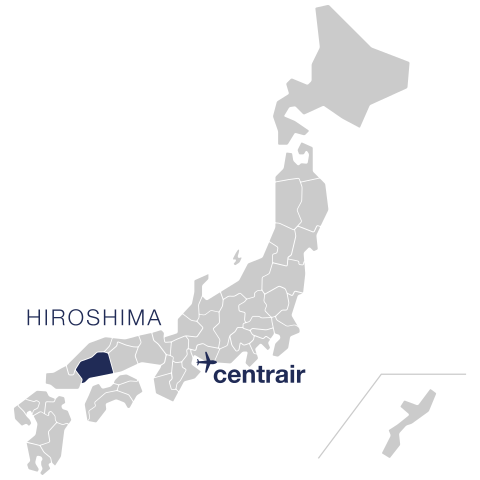
HIROSHIMA・Saijohonmachi, Higashi-Hiroshima city
Daiginjo Gold-Kamotsuru
だいぎんじょう ごーるどかもつる / Daiginjo Gold-Kamotsuru
Daiginjo
This sake made debut on the market in 1958. This is a timeless daiginjo that pioneered daiginjo sake making. It has an elegant aroma and an umami-rich flavor.
Four sakura-shaped gold flakes are added.
- Sake brewery
-
賀茂鶴酒造株式会社
- KAMOTSURU Sake Brewing Co.,Ltd. -
Flavor profile
Recommended temperature
chilled
room temperature
Heated
Sake vessels
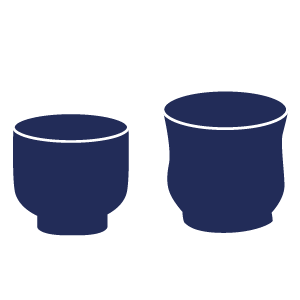
A bowl-shaped sake cup is recommended to bring out the sake's umami and sweetness. Earthenware and porcelain cups match well, too.
Food pairing
It matches perfectly with seafood dishes like sushi and sashimi. When paired with fatty fish like fatty tuna, the sake cleanses the fat inside the mouth, then the ginjo flavor unfolds. This rich sake won't be overpowered by bold-flavored dishes or western dishes.
Sake profile
| Prefecture | HIROSHIMA |
|---|---|
| Municipality | Saijohonmachi, Higashi-Hiroshima city |
| Type of sake | Daiginjo |
| Ingredients | rice , rice-koji , brewers-alcohol. |
| Sake rice | Hattan Nishiki (八反錦(八反35号)) |
| Location of sake rice production | Zoka, Higashi-Hiroshima city, Hiroshima prefecture |
| brewing water | Mt. Kamo's underground water |
| Rice polishing ratio | 50% |
| Acl / Vol. | 16-17% |
| NihonshudoSake meter value | +1.5 |
| Flavor | Slightly dry |
Type of sake
Rice polishing ratio
50% or lower
Rice polishing ratio
60% or lower
Rice polishing ratio
70% or lower
Rice polishing ratio
80% or lower
Junmai
Daiginjo
Junmai
Ginjo
Tokubetsu
Junmai
Junmai
Daiginjo
Ginjo
Tokubetsu
Honjozo
Honjozo
Futsu